Compose components that aren't Material.
And aren't a dependency. One command copies a component into your Kotlin Multiplatform project with its package rewritten to match, so it compiles where it lands.
$ java -jar lamintra-0.5.0.jar add buttonAndroid, iOS, desktop and web from one file. See the 6 components, or set the project up first.
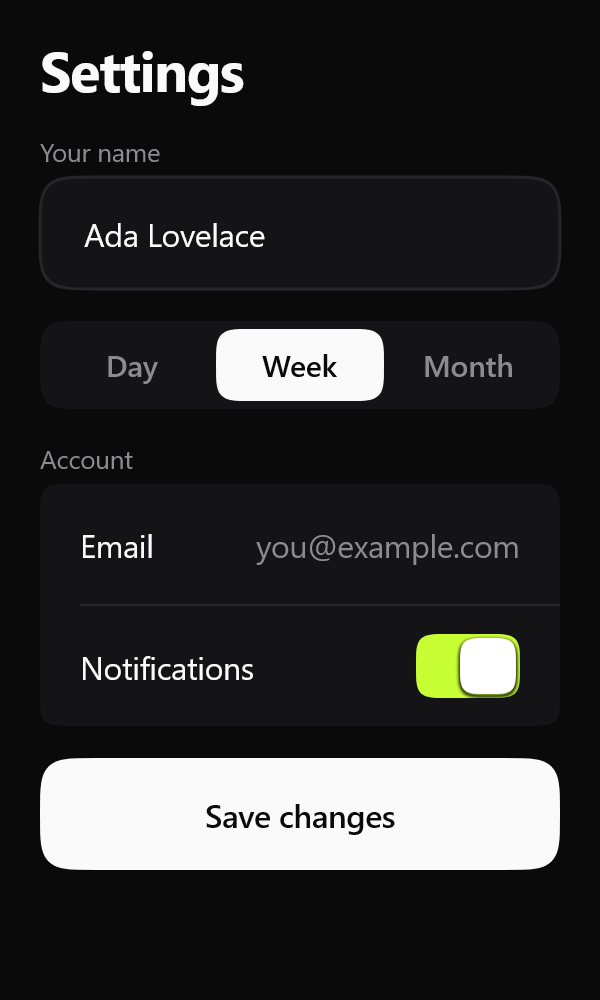
- CLI v0.5.0
- Registry v0.5.2
- 6 components
- No Gradle dependency
- Needs JDK 17+
Delete Lamintra and your code still compiles.
There is no artifact to depend on. The CLI writes plain Kotlin into your source tree, under your package, and then it is finished. No Gradle coordinate, no theme library, no runtime, and no version of ours you can get stuck behind.
What a dependency costs
Someone else decides when a bug is fixed, when a breaking change lands, and whether your Compose upgrade happens this quarter. You inherit a release schedule along with the code.
What you get instead
Files in your repository, under your package, that you edit like any other file you own. The honest trade is that you take on maintenance in exchange for never being blocked by a maintainer.
6 components.
Fewer than you want, and said plainly rather than hidden behind navigation. Each one has rest, pressed, disabled and focus states, resolves in both colour schemes, and animates on springs rather than fixed curves.
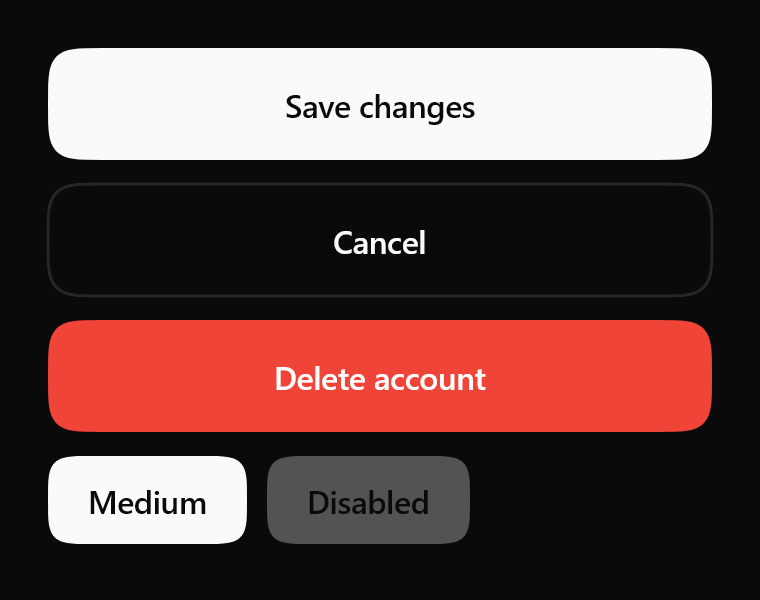
Button
add button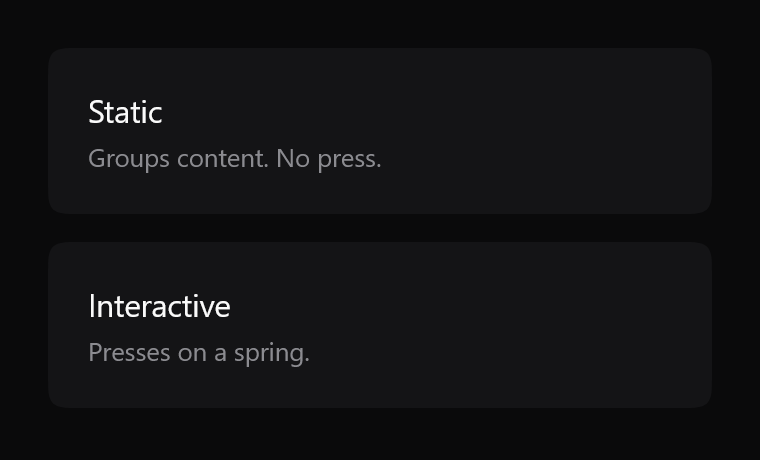
Card
add card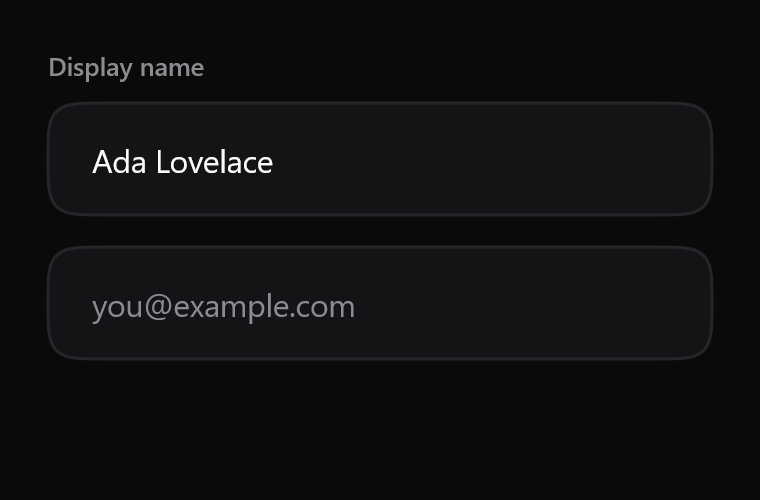
Text field
add text-field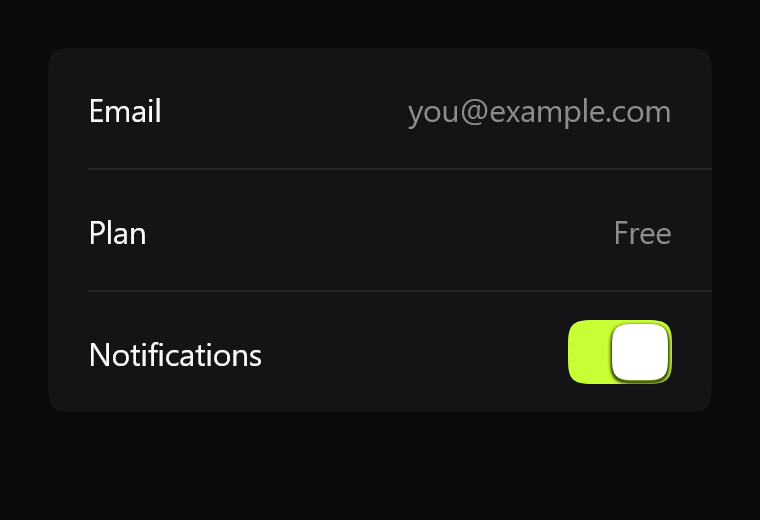
List row
add list-row
Switch
add switch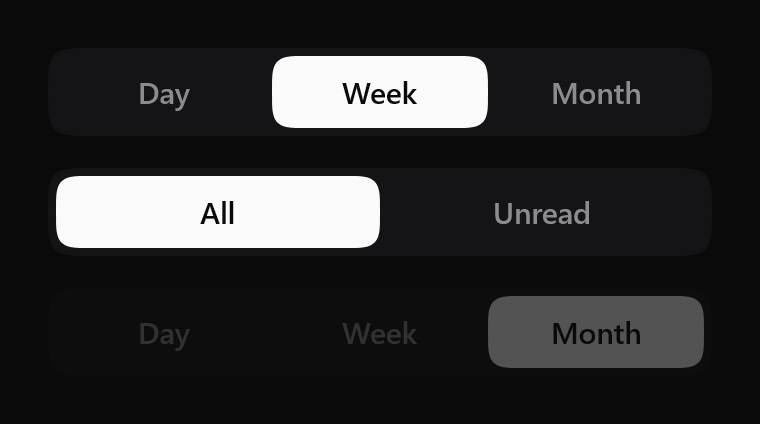
Segmented
add segmented
The CLI can install 6, and every one of them is on this page. Nothing is held back for a paid tier and nothing is hidden behind navigation.
Questions a sceptic asks.
Can I use this alongside Material 3?
Yes. The components import compose.foundation only and never touch Material, so there is nothing to conflict. Their names are prefixed, so LamintraButton and Material's Button can sit in the same file.
What happens when Compose updates and something breaks?
The code is in your repository, so you fix it the same way you fix any other file you own, on your schedule. There is no version of ours to wait for and nothing to unblock you. That is the honest trade: you take on maintenance in exchange for never being blocked by a maintainer.
Does it work on iOS, really?
Every component compiles for Android, iOS, desktop and wasm, and the interaction tests run on a real iOS simulator in CI, not just on the JVM. Nothing uses a platform-specific drawing API, which is why the switch shadow is drawn as fading strokes rather than Modifier.shadow, whose coloured variants are Android only. What is not verified on iOS is appearance. Composition and behaviour are tested; nobody has photographed them on a device.
Is it free, and what is the catch?
Free, no paid tier, no account, no telemetry. Released under the MIT licence, so what you install is yours to ship commercially and to keep whatever happens upstream. The honest catch is the size of the library. There are six components today, and the next ones get chosen by whoever asks first.